
Pitches

Why can’t more teams use pitch 34 /35 and why aren’t those pitches always in use?
Pitches 34 and 35 are widely regarded as being among the best club pitches in Dublin. The club spent over €1million to achieve this initially and spends approximately €28,000 annually maintaining them – this is the equivalent to 200 adult player subs. A team of volunteers spend approximately 15 hours per week lining and repairing the pitches. Based on expert advice, the pitches have a maximum use time in order to maintain them at a high standard. We are fielding 13 adult teams in the championship and their access alone to pitches 34 and 35 exceeds the recommended maximum usage.
Can the club bring pitch 19/23 to the standard of pitch 34/35?
We are actively pursuing this with Dublin City Council. We need the Council’s permission to undertake upgrading works and the club’s development committee are engaging at the highest levels in the Council to achieve this. We will notify members of any developments in that regard.
How can the club ensure increased access to winter training facilities and astro pitches?
This is one of our biggest challenges given the size of the club and the number of teams requiring training facilities. We have lost access to St. David’s and have had very reduced access to the Alfie Byrne astro. However, as with pitches 19/23, we are working actively to increase winter training facilities.
Facilities

Could the club provide more changing facilities / toilets near the pitches?
This is something we would like to achieve and we have engaged with the Council on this. Members will be aware that the Council installed two toilets at p23. These toilets are available only to players and squad members and not to the general public. However, we have indicated in our engagement with the Council that changing facilities are required beside pitches 19 and 23.
Can a score board be erected beside the main pitches
We are in the process of taking a lease on the pavilion at pitch 35. Once this process is completed, we intend to install a score board for pitch 35 on the pavilion. Additionally, we will seek to install solar panels on the roof.
What are the plans to upgrade the clubhouse?
Our clubhouse is an old building and, as such, it requires considerable attention and maintenance. We have an excellent facilities team that oversee maintenance and initiatives undertaken recently by our green committee will result in some upgrading works including the installation of solar panels and batteries as well as replacement of the windows and doors.
Our clubhouse is used by a range of groups and organisations beyond the GAA club. This generates some income for the club. Arising from recent engagement with members on the development of our strategic plan, it is clear that members want to undertake a feasibility study regarding the clubhouse and its future. This will be undertaken in the near future.
Fees

What are the annual subs used for?
We have a very dedicated team of members who sit on our finance committee. They ensure that the club’s finances are managed appropriately. It is important to note that the club does not seek to make an annual profit. Money that is raised is spent. We have to work very hard to ensure that we have sufficient funds to offset costs incurred. A very detailed breakdown of the finances is provided at the AGM every year.
In broad terms, however, we have three main sources of income: Members’ subs, fundraising and sponsorship. Our main areas of spending include: registration fees with the various organisations, team expenses, pitch maintenance and a growing team of employees.
Do the annual subs represent value for money?
Annual subs are set by way of a motion at the AGM. Relative to subs required to play with other clubs or to play other sports, the annual sub represents significant value for money.
Coaching
Can more coaching – consistent coaching – be provided for mentors?
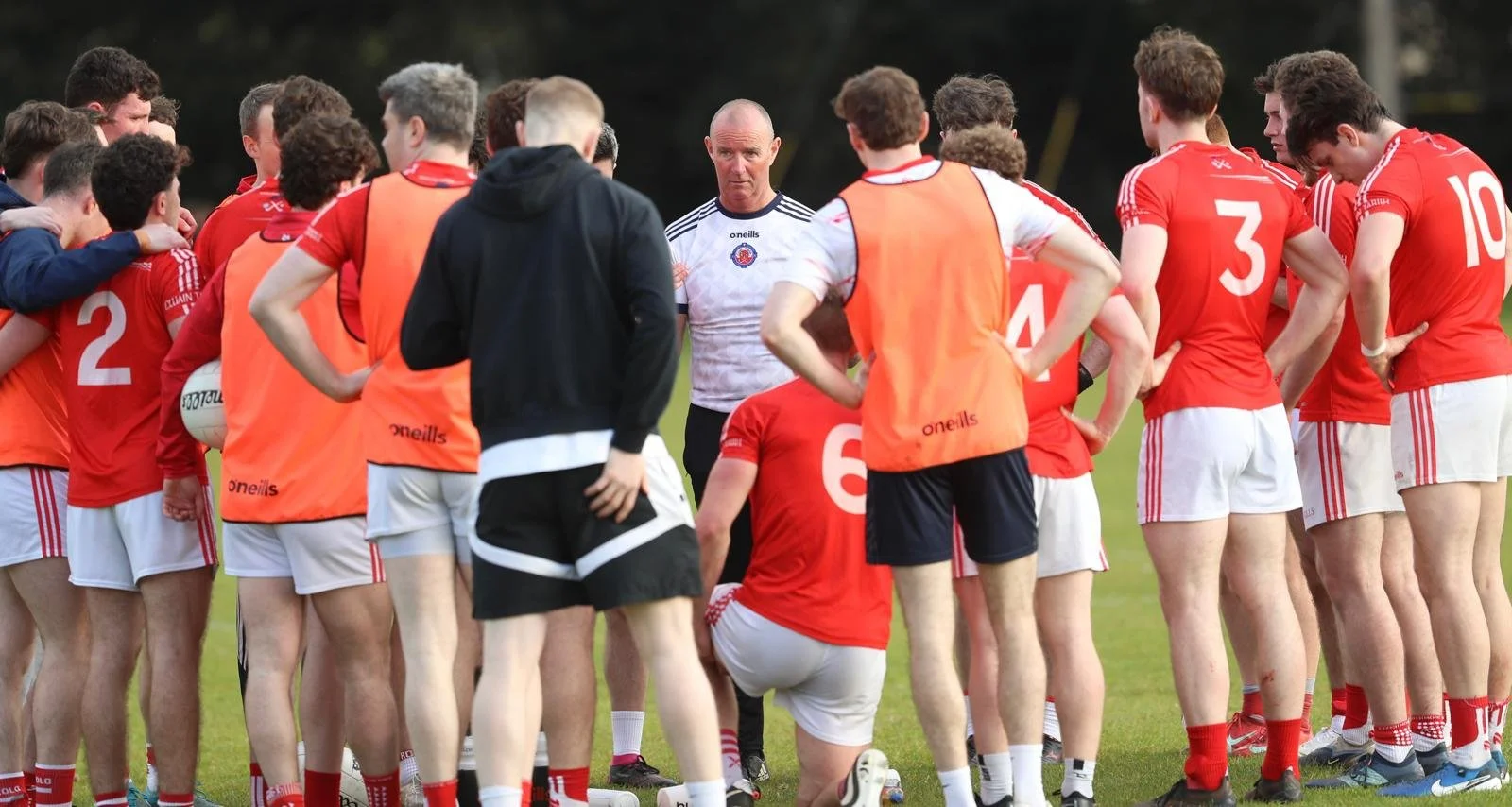
We need our coaches at all levels of the club to be confident and competent in engaging with players. We want our players to enjoy their training and match sessions, we want them to progress their skills and abilities and, in the long-term, we want them to transition successfully into the adult playing section.
We know we need to do more to enhance coaching in the club. The recent appointment of a director of sport is intended to address this.
What is the governance process for mentors?
Mentors are advised to read the mentor handbook which is available here. Where issues arise, mentors should in the first instance engage with the juvenile games committee chair (refer to our club contacts page to see the current chair). Mentors are also free to engage with members of the club’s executive committee. Again, all are listed on the Club Contacts page.
What steps are being taken to retain players and members?
There are many aspects to player retention. However, the club’s position generally in relation to retention is to ensure that every player enjoys training and playing with the club, that the coaching provided is of the highest possible standard and that the players experience success at the level they are at.
We have had some success in retaining players in recent years. This is evidenced in fielding five adult men’s football teams, three adult women’s football teams and two adult camogie teams in championship for the very first time.
Social & Sustainability

The social committee do a lot of good work – how do we build on this to ensure more fun and connection to the community?
The club is acutely aware of its role in serving the Clontarf community. We are the largest sports club in the area and we have a duty to ensure that our players and non-playing members enjoy being part of the club.
Our social committee is active in many ways and our club dinner dance and golf outing are now firmly fixed in people’s diaries annually.
However, we need to do more and particularly for our younger members. We are open to proposals in that regard.
Among our biggest contributions to the community is through our Dermot Earley youth leadership programme. This is provided annually by a team of dedicated volunteers who work to develop the leadership skills of approximately 25-30 Transition Year students.
What are the sustainability initiatives in the club?
abcde
Can solar panels be added to the changing rooms at pitch 34 /35?
abcde